Conversation with the Women of Survival '84
6 Mar 2026
Project:
Project:
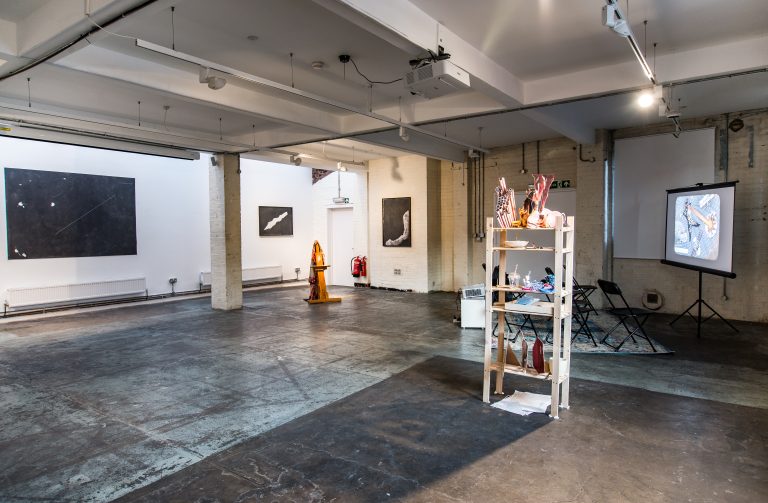
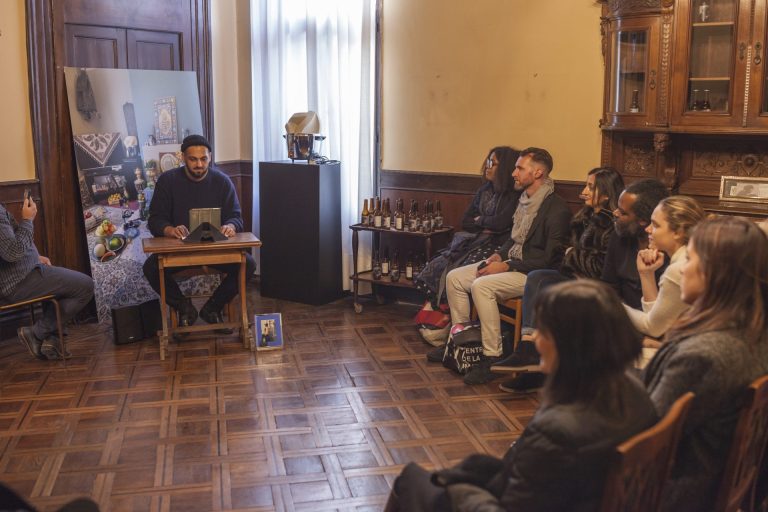
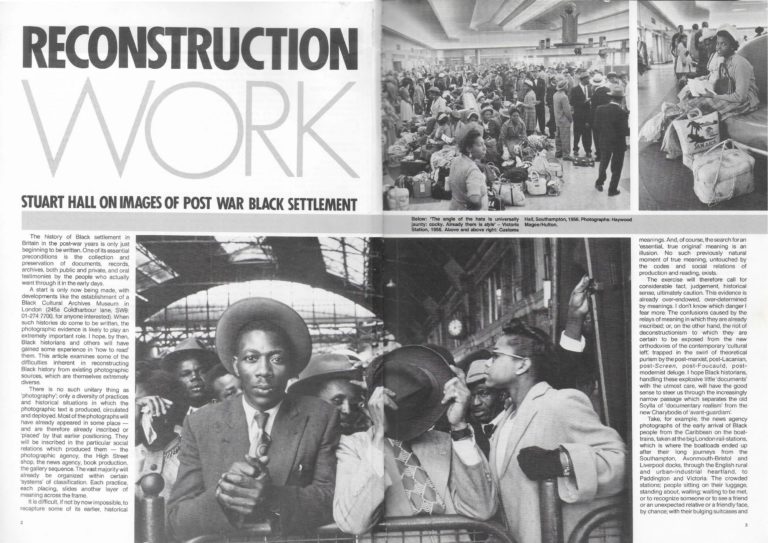
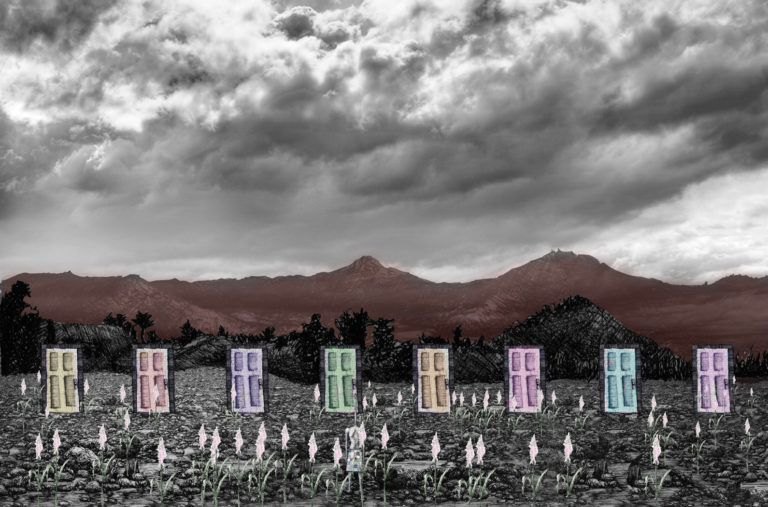
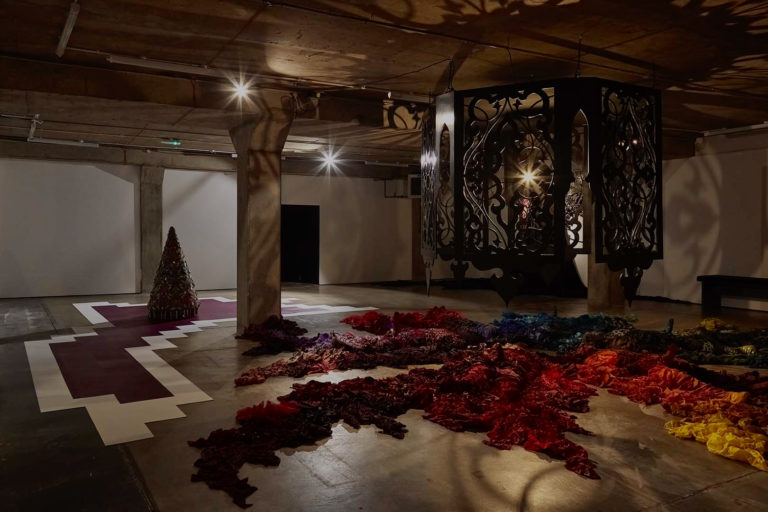
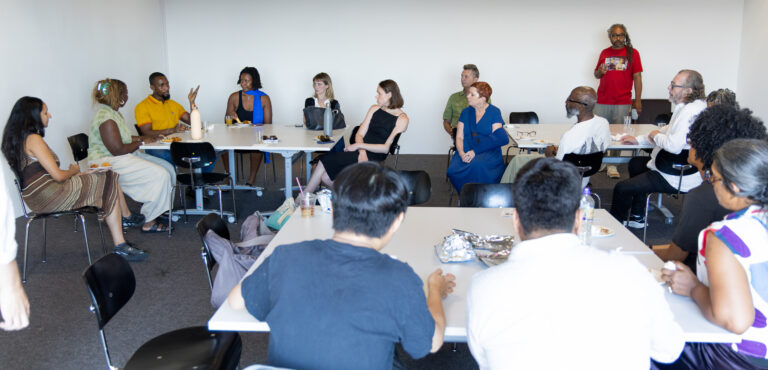
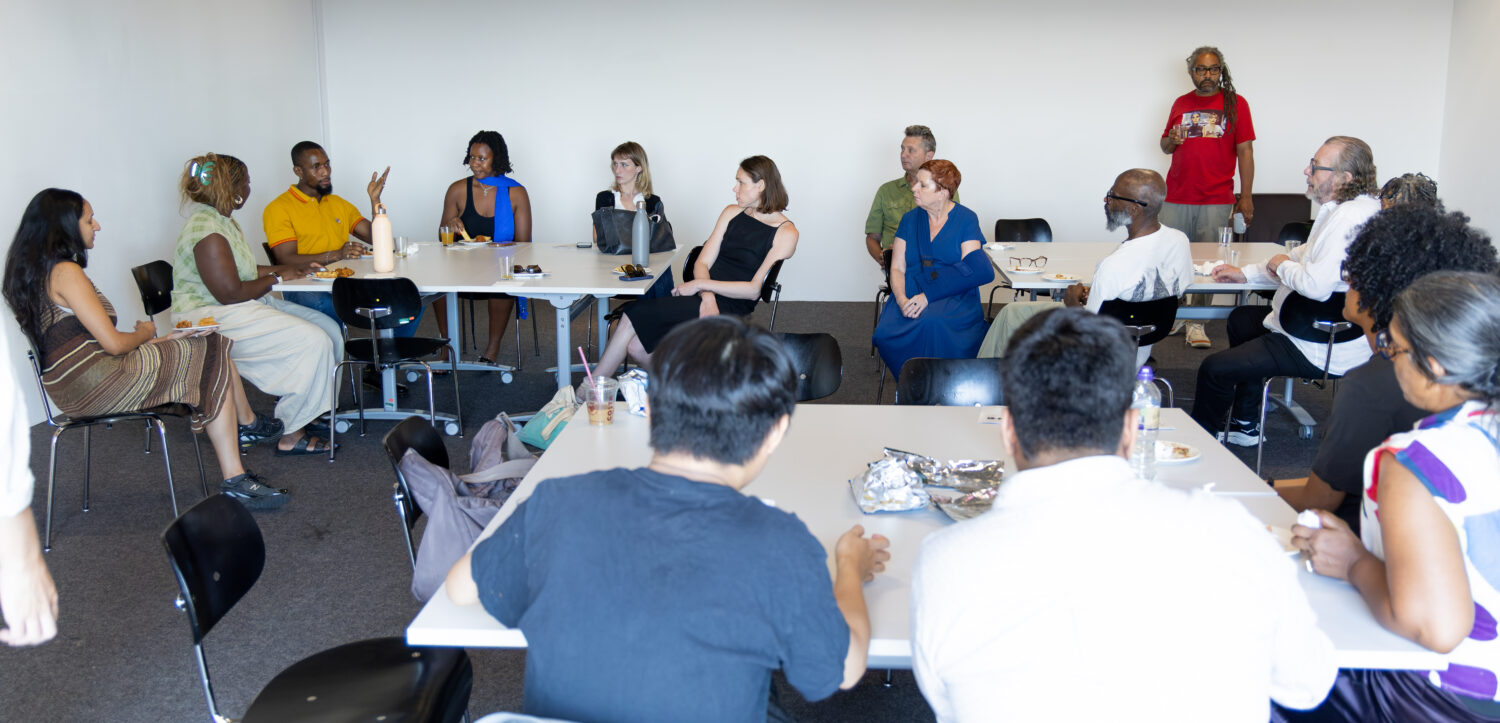
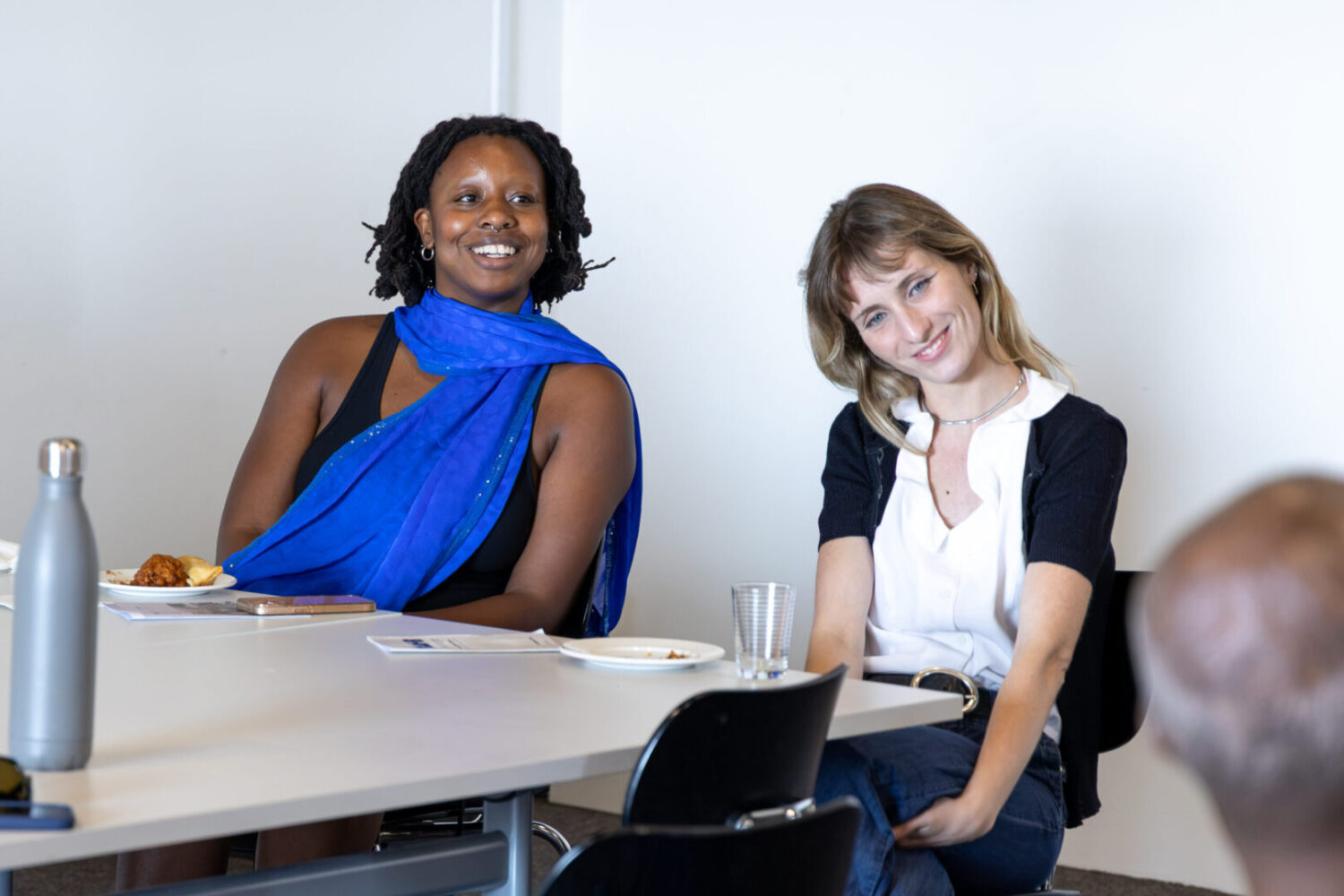
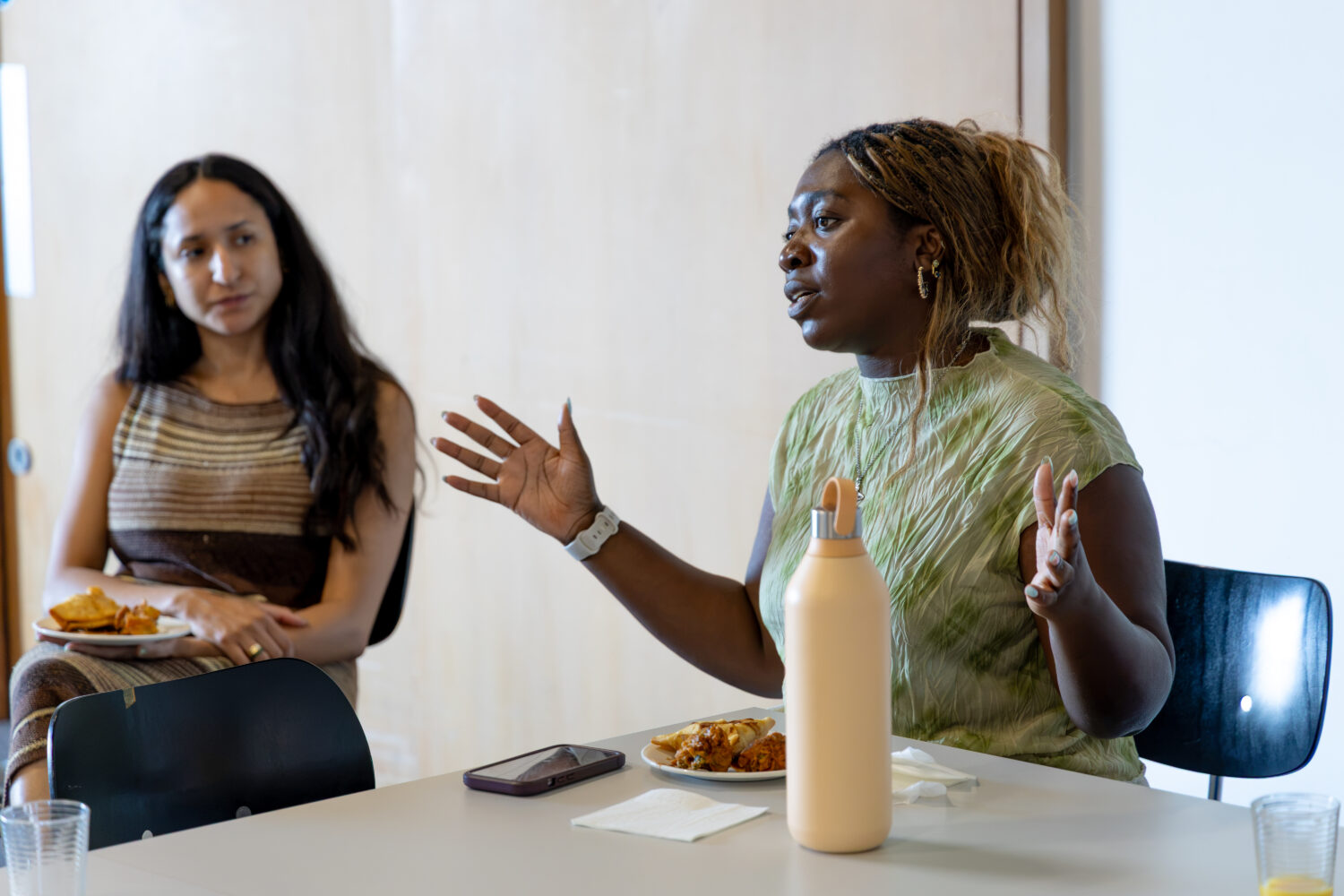
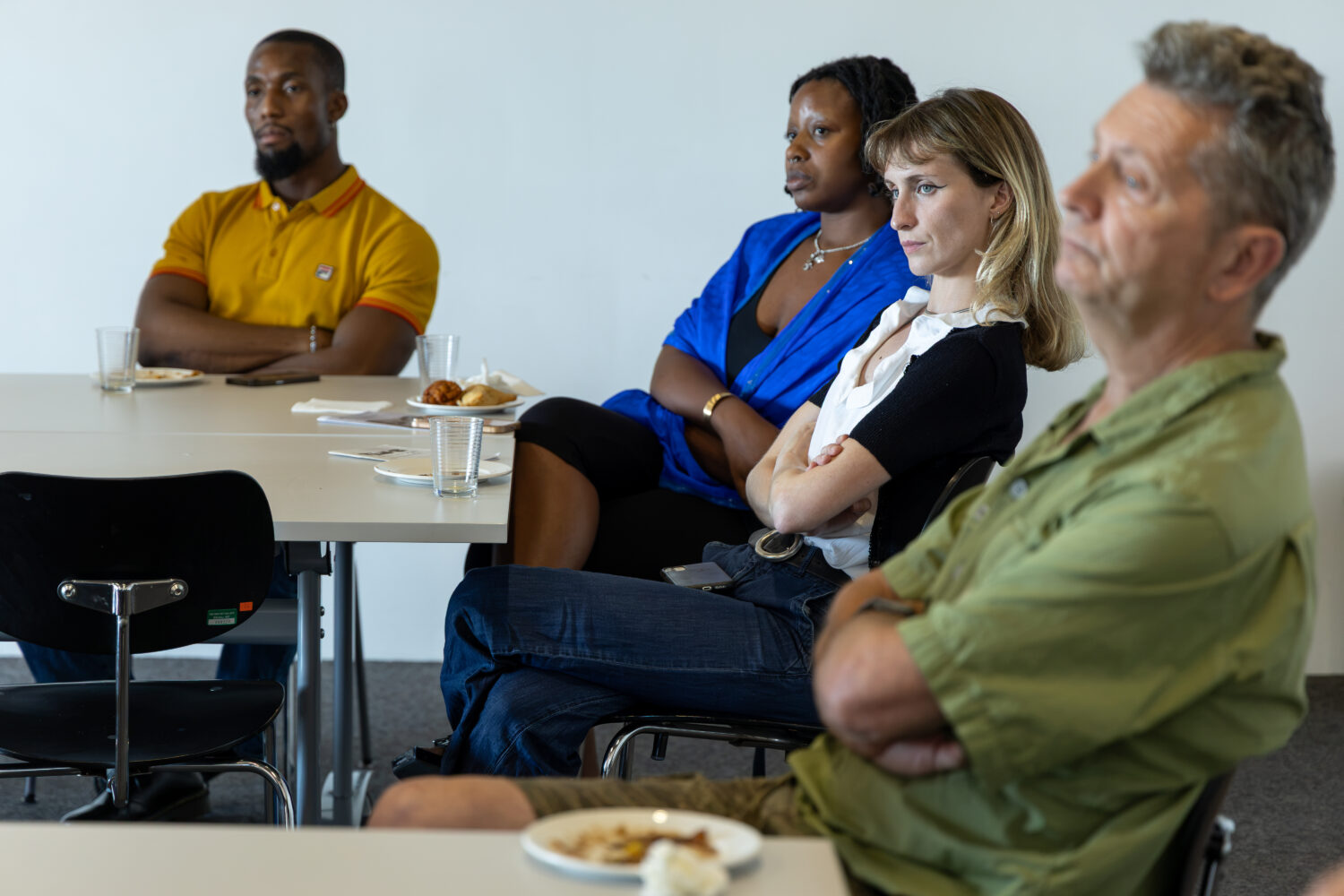
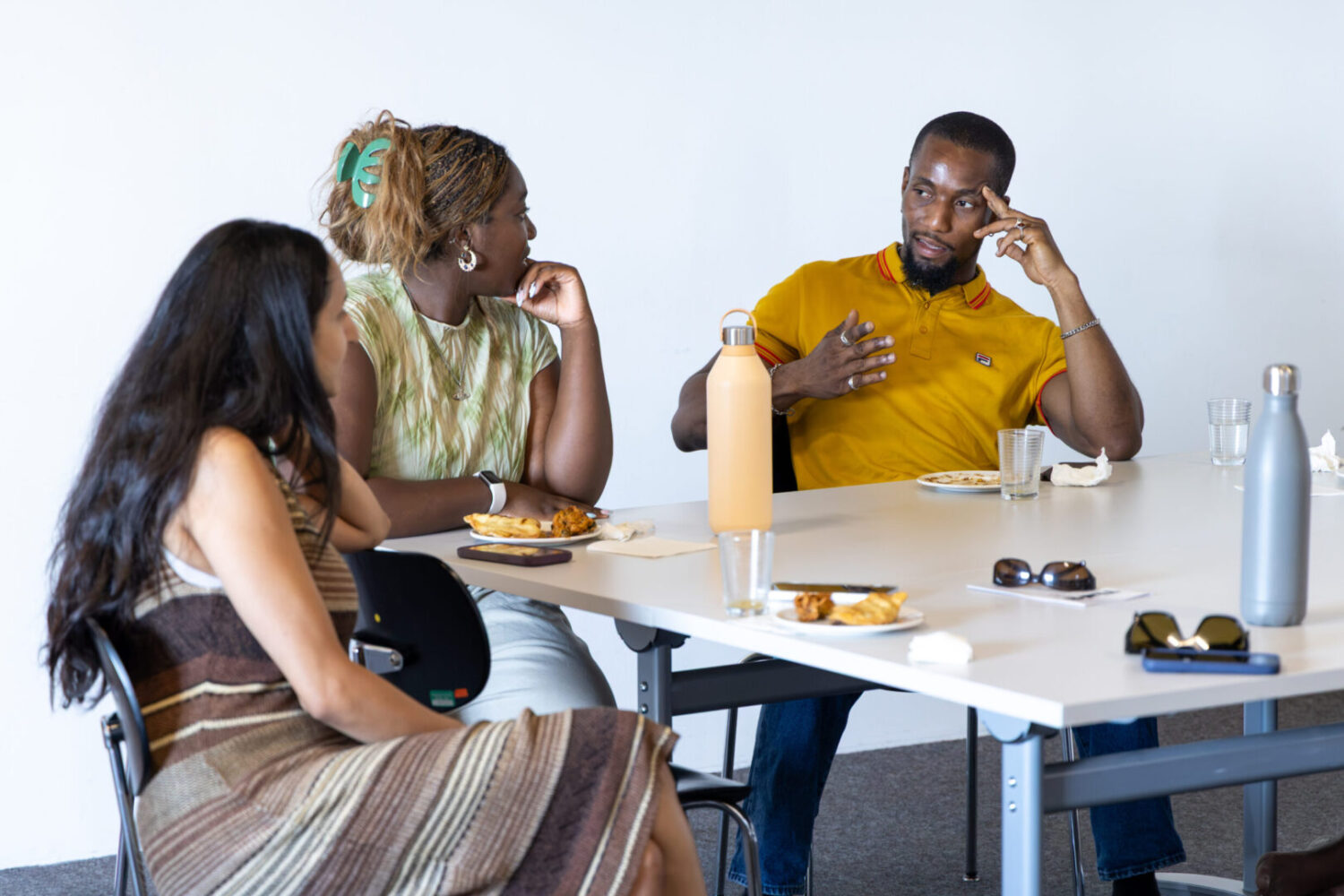
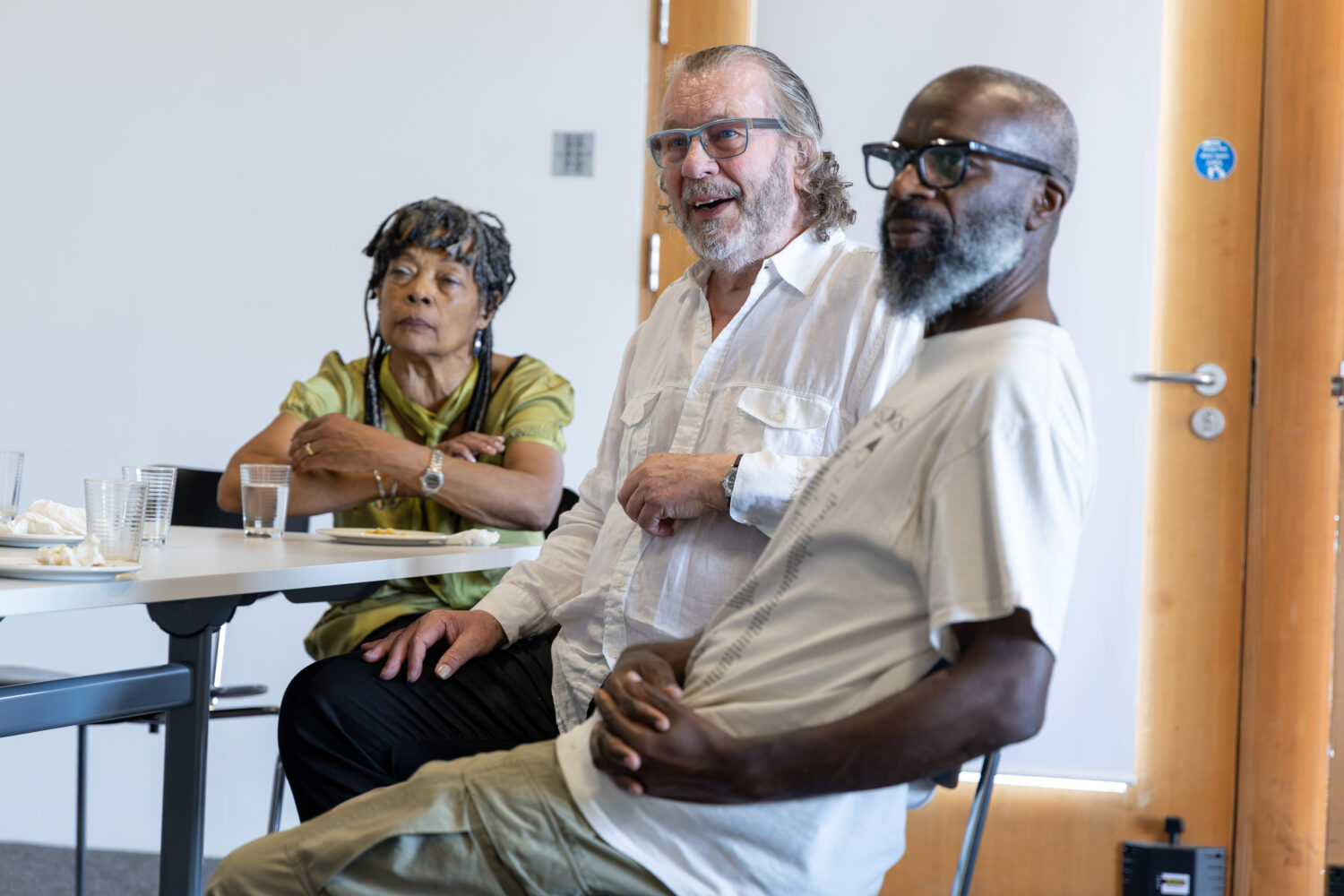
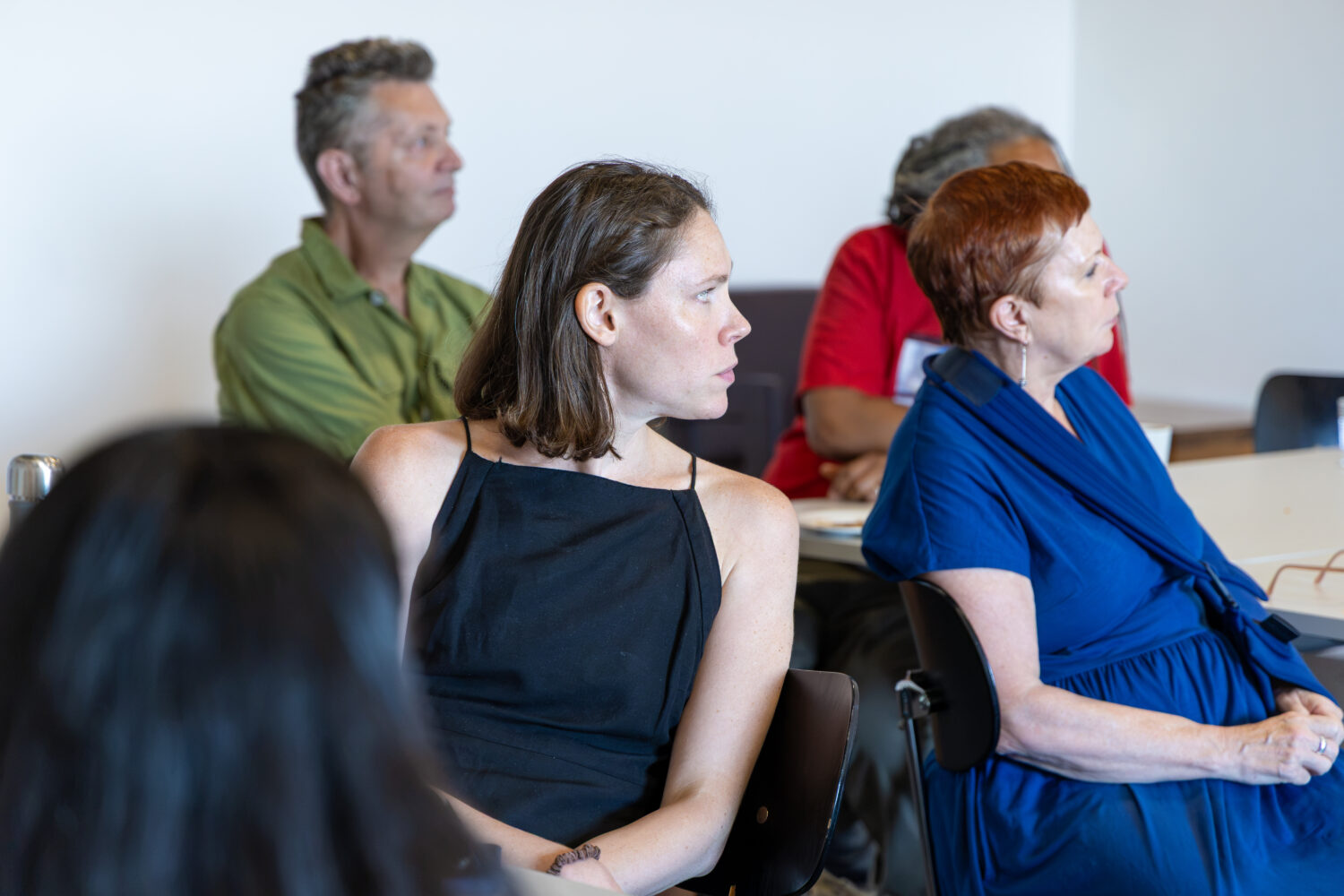
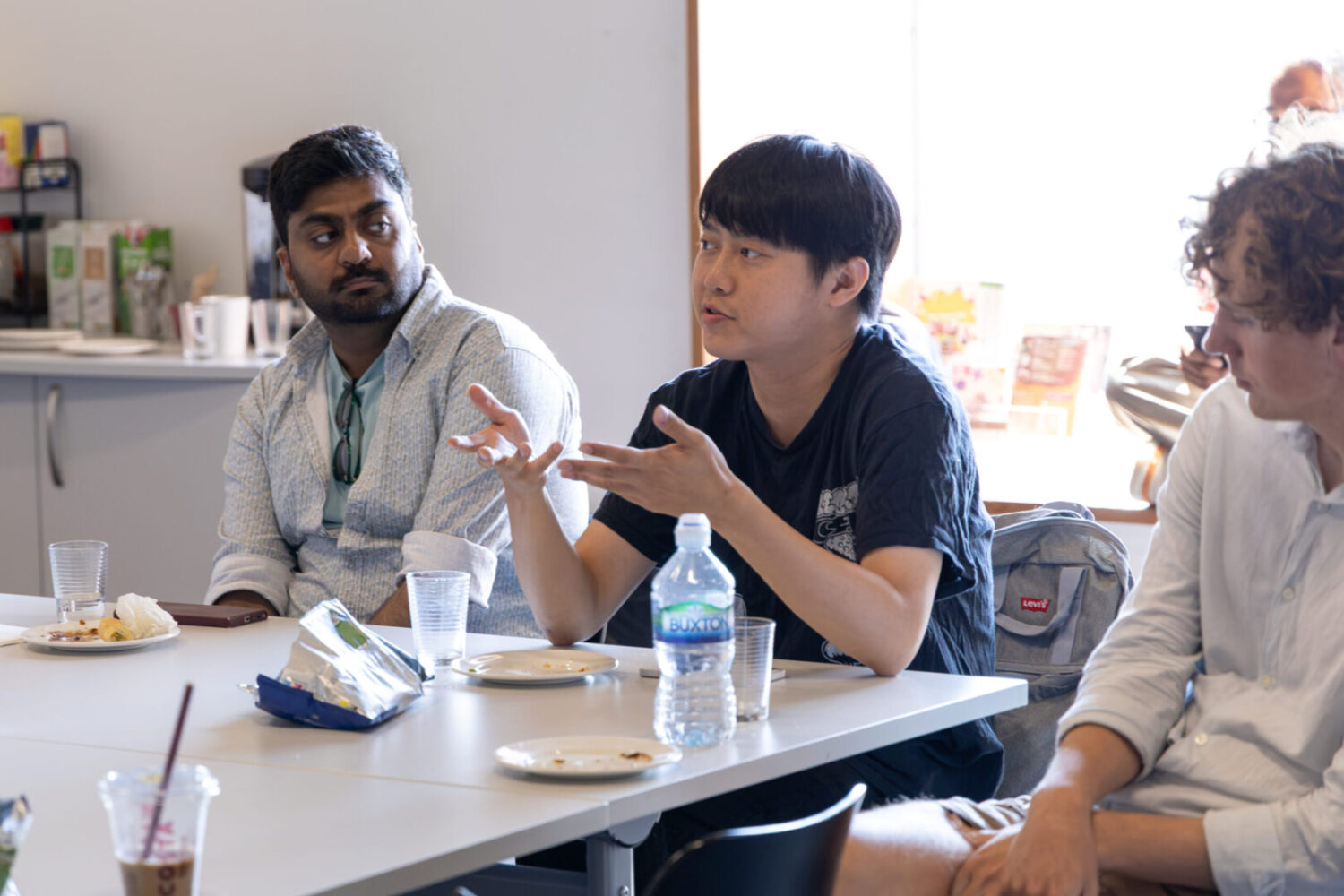
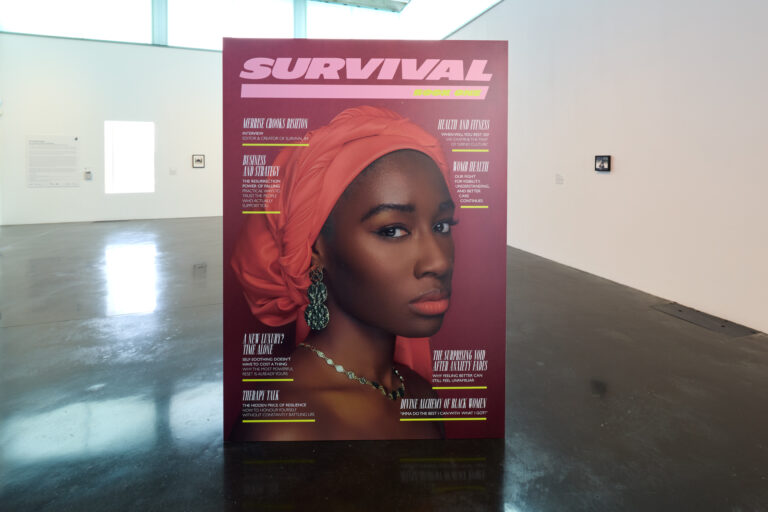
As part of a project addressing the legacy of the photography journal Ten.8, ICF collaborated with The New Art Gallery Walsall to present a major exhibition curated by Pelumi Odubanjo, ICF’s Ten.8 Research & Curatorial Fellow. For the exhibition, titled Ten.8 afterimage, Pelumi invited artist Heather Agyepong to produce a new artwork commission. For the commission, Heather responded to Survivial magazine, which was created in Birmingham as an educational resource for Black women and girls. On Friday 6 March 2026, as part of the research for the commission, Heather and Pelumi met with four women who were fundamental to Survival – the magazine’s creator Merrise Crooks-Bishton, as well as contributors Jenny Douglas, Christine Seymour and Ifemu Omari. Drawing on this conversation, Heather’s artwork – Survival ’26 – revists the visual language of the magazine through contemporary voice, extending its histories of Black women’s self-representation into the present. The below transcript captures their conversation together.
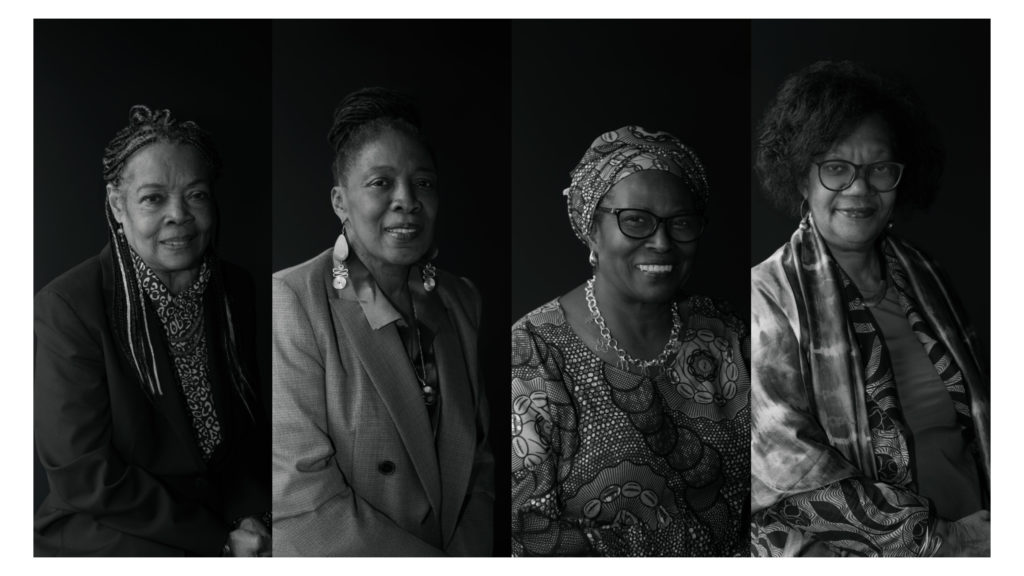
Heather Agyepong: How did you each hear about the survival project?
Merrise Crooks-Bishton: I’m Merrise Crooks-Bishton; at the time I was Merrise Crooks, and I’m the editor of the magazine. I was working on a project called Handprint. Handprint was set up to produce materials that were culturally relevant to Black people because, in those days (late 60s, early 70s), there were no materials that reflected Black interests, culture, or experience in the educational curriculum. I worked in adult education, and for adult education it was even worse—there was nothing. For instance, at that time you couldn’t walk down the road and see an image of a Black person in a magazine. There were no Black magazines.
So I wanted to produce materials that were culturally relevant to Black people—materials with Black images that Black people could identify with. Importantly, I also wanted to do something for women. That’s where Survival came in. I wanted a magazine, and it was suggested that it could take a women’s magazine format.
At the time I said, “Okay, let’s go with it.” So that’s how the women’s magazine format started looking at issues from a Black perspective, but using Black women. Then we started with the design… Then it was, “What are we going to have in the magazine? What are we going to put in it?” I started thinking: tie-dyeing, activities, prints of Black women — all these activities in the magazine. And the contributions by Black women were suggested by Black women as well. We had sickle cell; Ifemu’s short story, which is brilliant; and all these things came together really nicely. And can I just say: I had no information and no experience of publishing. I hadn’t even worked in the community for a long time because I worked in administration, but to cut a long story short, there was so much going on — Black people in society, in Handsworth, you know, the issues with the police and young Black people. So I wanted to do something in particular for women. When I looked at all the issues we could cover — for instance, sickle cell — I would go and talk to Jenny. Yeah, we agreed: I would go and see you; we’d talk and you’d tell me about it… Quite frankly, it was amazing. And the nice thing about all of you who contributed: no one ever said no.
Whoever I asked always said yes—yes, yes, yes. I mean, I didn’t know what I was going to produce. Like I said, I had no experience of publishing and no idea how I was going to do it. But all I knew was that I had a little tape recorder. I taped what Jenny said, then I’d come back and type it out because, in those days, you had to go to the typesetter’s sessions before it went into the magazine.
It was a long process. I was the one who made all the contacts because, when I said, “Yes, okay,” I headed the project. I’d do the project — blah, blah, blah. I didn’t realise they wanted me to do everything.
Christine Seymour: With no support probably.
Merrise: We had subcontracted people—like the designers and so on—but there were only three of us, and we were going to do everything. So I went out and did all the interviews, came back, typed them up, and took them back to whoever needed them. I was able to show people what was going to appear so they could read it beforehand.
I didn’t want to publish anything that people didn’t want published, so I did all that—made all the contacts. I didn’t take the photos, but that was also about contacts and connecting people.
Christine: I’d been doing dressmaking first of all, then I went into working for Kukuma. That took me to Africa, where I learnt a lot about the different dances and the nuances — what they meant. For example, a very stiff skirt meant you couldn’t move a lot, and things like that. Then I came back, and after that I was introduced to a Nigerian guy, and he taught me how to do tie-and-dye. It was just amazing to me that, in a day, you could create a fabric, sew it, and — voilà. So then I went into a few schools and did tie-and-dye, and talked to the children. Oh my gosh. And then this project came in. Yes. And I think you, Derek [Bishton], asked me to do the work. I did make some pieces. Yeah — and that was it, basically.
Pelumi Odubanjo: So can I ask, did you know each other previously?
Christine: Yeah—in the community, yeah. Like she said, the community was very, very vibrant at that time.
Merrise: Absolutely — absolutely. And if people didn’t know me, as soon as I said, “Oh, I’m going to do a magazine, and it’s for Black women, and it’s going to be all Black images,” they wanted to be involved. I’m not sure they thought, you know, “women’s magazine—she can’t do it,” but never mind. That was a really good thing: everyone wanted to become involved. No one said no, even though I hadn’t been known for very long in the community. I’d been there for about two and a half years, mind you—but everybody just said, “Yes, Merrise, yes—we’ll do it.” Because we couldn’t see any images of ourselves.
Merrise: That’s right. That was good.
Ifemu Omari: I’m just going down memory lane. It’s just absolutely beautiful. I came into Handsworth in the early 80s as a graduate—blush, blush. That’s where I met Merrise at Handsworth Alternatives scheme. What was so striking — and still is — was the cultural buzz of Handsworth. I remember there were definitely four dance groups in Handsworth alone (in Handsworth, Birmingham), and then there was Lanzell in Wolverhampton and Watawazuri somewhere else. There was just a buzz and creativity. I can’t remember being asked to contribute, but I remember thinking there was a lot of quality here that wasn’t in Wolverhampton where I came from, so I was asked to write a short story, A Chance for Freedom, about a young Black woman who wanted to dance — and dance was a metaphor for her finding her freedom. I’m still blushing because it’s… I don’t think we… History is a funny thing (or her story is a funny thing), because when you’re in it, you don’t understand the contribution you’re making. It’s like stepping back and looking — this is 40 years ago that this happened. Yeah, it was absolutely brilliant. And, you know, people like Angela Samuda—a beautiful woman on the front cover who’s now passed—and lots of other beautiful people… Again, because there was such a buzz about Handsworth, I never saw it as anything extraordinary that we were doing. It’s just that now you look back and you think: wow. Merrise saying she had no idea about publishing—yet I think what we had was the desire to create and commit. And when we committed to something, we created something. So we kind of took it for granted. We didn’t think, “Oh, we’re being revolutionary or unique,” but I suppose that was the impact. Yeah — lovely.
Christine: I just want to interject because Ifemu and I were in Kukuma at points. We were taught different dances, and we would be dancing. We’d go home, we’d be at the bus stop, and we’d be rehearsing the dance — we were so into African dance. It was amazing. And I think young people today don’t have that, and it’s a bit sad. Because, like she said, there were four different groups — you could choose which one you were going to go into next. Yeah, yeah.
Merrise: Can I interject here? Because this was your first publication.
Ifemu: Yes, yes.
Merrise: Yes — that’s why I remember I wanted to do that. Because, as you said, we worked together with young people before. To think, “I know you anyway,” and to think this was going to be your first publication — that was it. You know, you just had to go in.
Ifemu: But it’s the quality of the magazine — this could go on any magazine shelf today.
Merrise: I didn’t think the quality would be so good. I was staggered. Everyone was staggered. We looked at it and thought, “Yeah — I think we did good there.” Absolutely.
Heather: Understatement of the century. (everyone laughs) What about you, Jenny?
Jenny Douglas: Okay, so I’m Jenny Douglas, and I also moved to Handsworth at the end of the 70s, beginning of the 80s. I think at the time, yeah, I was teaching science at Birmingham College of Food. But I got involved with lots of things because there was such a lot happening in Handsworth at the time. So I was working with Harambi on their literacy project. I was also working with Handsworth Young Mothers at Rafiki House — right, yeah—with Maxine Shervington, who also sadly passed. And so my focus even then was on health. And I had been involved with the Sickle Cell Society that was in Birmingham, trying to raise awareness of sickle cell disease and other health issues.
Again, I was focusing really on women’s health. And I think Merrise must have just asked me if I’d write something on sickle cell, and I obviously said yes. There was a real buzz in Handsworth — everybody was kind of working together.
Merrise: Working together — crucially. If you needed help or advice, you could go next door and people would be there. And it was beautiful.
Christine: It was, it was — that sort of relationship. I miss it, I miss it.
Heather: I’d love to know from all of you (or whoever wants to contribute): what was it about this place? It’s so iconic—people from out of this country know about what was happening in Handsworth. What do you think it was? Because, for me, I don’t sense we have that anymore. What do you think those ingredients were?
Jenny: I don’t think we have it anymore. I think there were just a number of creative and committed people who came together.
Ifemu: I don’t know where it started from, because I came into it… Everywhere we had, there was a social element—where we had Akafest, we had Harambi…
Heather: What’s this?
Christine: Yeah — you can explain it.
Merrise: They were groups we called self-help groups, because the government wasn’t helping. So we created our own groups.
Christine: Within other projects — like there was the one… well, it was a nursery really, or after-school.
Ifemu: I think it was a response to racism. So I think our… it would be lovely to say it was a strategy, but we just did it. We were just positive about our culture. We didn’t moan about it. There was a political discourse around inequalities and so forth. But this wonderful bubbling of energy and culture and discussion was how we proactively challenged racism. Does that make sense? Although the discourse and the dialogue and the discussions are needed, we just got on with expressing ourselves. And one of the crudest things about racism is suppressing one’s self-expression and creativity, and we kind of rode against that—which, looking back, is a beautiful strategy.
Jenny: I remember working with Harambi, and we had a lot of supplementary schools. So we had the summer schools in the summer and we had Easter schools. I remember for a few years I ran those, and you could always call on people to help.
I remember one year we had the summer school at Heathfield Road School, and Afro-Caribbean Self-Help Organisation was on Heathfield Road—and I’ve forgotten his name now.
Ifemu: Beanie Brown.
Jenny: Beanie Brown, actually. And sometimes I had to run down to Beanie Brown and say, “Beanie, please come and help me.”
Because it was the time with the rise of Rasta, and a lot of the young guys — if I told them what to do in the school — they would just shake their locks and say, “Fire for you” (laughs). They wouldn’t listen to what I wanted them to do, so I’d have to go down to Beanie and say, “Can you please come up and talk to these young men up here, because they’re not listening to me?” I think also because there was a lack of a kind of philosophy — if I use that word — a lot of the young guys became Rasta, but they had a very restricted view of Rasta. Part of that view was that women were subordinate and that you didn’t listen to women.
And it was interesting because later on — I won’t talk about it now — I actually did a research project with Rasta women on diets, which was very, very interesting. Again, it was a kind of coming together, because in research we hear that Black women don’t want to participate. But all the women we approached — and these were Rastafarian young mothers — all agreed to be involved in the research. What we wanted to do was look at positive aspects of Caribbean diet, which is what we did.
Heather: There’s something I keep hearing: women. Yeah. I’m fascinated. It feels like, at the time of any sort of social change—people might not know it’s a movement — but it seems like Black women are often at the forefront. From your perspective at that time, is there a particular reason for that? This is my projection—please disagree if you think so. But it just seems that Black women are always at the forefront of supplementary schools and creating initiatives. Absolutely, there were tons of Black men involved, but in terms of the vehicle for change, it feels like Black women were. What were your comments about that during the Survival time — kind of the 70s/80s?
Jenny: I think that Black women were very much the… thing that kept the community together.
Ifemu: I was just going to say—
Jenny: But it was Black women who were actually doing the work.
Heather: Sorry — Harambi is… what is Harambi?
Jenny: It’s again a self-help organisation — very political though.
Merrise: We had Sybil Morgan though, didn’t we?
Jenny: Oh yeah — and Sybil Morgan had the Marcus Garvey Day nursery. Yes, yes, yes. And I think the women were actually doing the work. The men were espousing their pan-Africanist perspective—gosh, that discourse was happening. Yes, yes, yes. We were running the summer schools and the… doing the graft, you know? Doing the graft, yeah.
Pelumi: So the men were able to set it up, but in terms of that day-to-day work and labour, would you say that was mostly the women then?
Jenny: I would say it was, yeah.
Pelumi: Yeah — that’s interesting, because I don’t think that’s uncommon.
And also the ability to sell investment into these organisations is so often put forward by men, but equally it’s this idea that the men need to work — bring money back into the home — whereas women have more time to do these things.
Heather: This is the assumption — always the assumption.
Merrise: The women are looking after the children.
Everyone: Yes, yes.
Merrise: Maternal care. That’s one of the reasons why I wanted to direct the magazine. I mean, many of the women I interviewed and who contributed, you know, they were mothers—mothers bringing up children on their own. That’s why it’s important.
Heather: I want to know about sustainability, because all of these initiatives — how did you fund yourselves? What other jobs were you doing? How did you feel sustained in all of your practices as artists, as researchers? How did you sustain yourselves?
Ifemu: The funding agencies and agents… Most things were on a short-term time frame for funders because their perspective and agenda were different from ours. So, in terms of longevity, it was often just sheer will. Funding would dry up. And the other thing about funding: we were always navigating—skittling sideways—because we were trying to fit into a set of criteria to get the money to do what we genuinely thought was right, which was often (at worst) in contradiction to what the funders wanted. So there was a lot of shimmying to make it fit and tick a funding box, and then get on with what we wanted to get on with. And often, when the funding dried up, we just carried on. A lot of the creative stuff was what the funders would see as hobbies and side hustles — then we had our main jobs and paid the bills, paid the nursery fees, and so forth. Yeah, I think it was just sheer will. Because the funders were never about longevity, sustainability, or infrastructure, and often our time was wasted arguing the toss. And as Merrise alluded to: not being a publisher, yet she publishes this.
And then we had The Glory of the Garden — I can’t remember what year it was—but it reviewed funding and cut a lot of multicultural funding. On average, the longest funding you could get was three years, and then you’d hope to have it renewed.
Pelumi: And when was this, sorry? I can’t remember.
Ifemu: You’ll have to Google it — I can’t remember what year The Glory of the Garden was.
Jenny: Because you’re right—there was lots of short-term funding. And I think it was only somebody like Beanie Brown who actually challenged the funders and said, “We don’t want short-term funding. We want funding for infrastructure.” And I think Beanie actually got his building…
Merrise: Yes—he bought the property.
Jenny: Yeah, yeah. But that wasn’t… Not many projects were able to do that. I think Harambi perhaps owned the… the hostel?
Christine: Yeah, it was.
Merrise: And the bookshop.
Jenny: And the bookshop?
Ifemu: Oh yeah — the bookshop on Grove Lane.
Christine: Is it still there?
Jenny: No, it’s not there anymore. No, no, no.
Merrise: They had a housing association. Remember the housing association?
Jenny: Yeah, yeah.
Merrise: Which were providing houses for Black boys. Yeah, that’s right. Yeah, yeah.
Jenny: But also, I think Harambi owned the Marcus Garvey Nursery, and that building is still there. Yes, yes. And in fact, Kehinde Andrews is now developing a new organisation of Black Unity, which is based in that building on Lynwood Road.
He’s also developed a library there in honour of his late wife. What was his wife’s name?
Ifemu: I can’t remember.
Jenny: Nicole—Nicole Andrews. She died from breast cancer about three years ago. The building is still there on Lynwood Road — 97 Lynwood Road. Why do I remember?
Heather: I think the thing about infrastructure is interesting because it’s still happening now.
Ifemu: Yes.
Heather: And the thing about finding the language for the funders—finding the compromise of ticking the boxes and also being able to do the work. Yes. I would love to know: because you’ve all done this—you’ve breathed it, you’ve lived it—is there any advice you would give people in my generation and younger, in terms of collaboration, in terms of the spirit you’re all talking about—the will to commit? Because sometimes, when funding isn’t there, people just stop at the first hurdle: “It’s not sustainable, we’re not going to do it.” And it feels a bit like a trap—you can’t fulfil what you want to do because you don’t have the money, but the thing you need to do will also empower you to… you know what I mean?
I want to know what you think of planning too.
Christine: I don’t know much about it, but I always… (laughs) Bob Ramdani, dear—I mean, his name is to say that we should plan, to say whether we can do it ourselves. Don’t rely on the funding—plan ahead. So I think this generation should do it. It’s all about planning.
Merrise: We’ve got to work together.
Jenny: Yeah, I think there are some young people who actually are doing that.
Christine: Oh, good.
Jenny: The people that I mentioned before—the two women, “Five Times More”—have addressed maternal deaths in this country. They worked initially without any funding.
Heather: That’s true, actually.
Jenny: And they set up a CIC—a community interest company.
Merrise: Black women?
Jenny: Yeah — two Black women, yeah. Tanuke and Ayo? No — it’s not Ayo, but yeah.
Heather: This, yes.
Jenny: And then, because funding is always short-term, you’ll have a project done one year…
Christine: And sometimes it’s the same project.
Jenny: It’s the same project, yeah.
Merrise: Nowadays, we take them to the library, but then they didn’t. When the project closed, everything just went under — you know: documents, documents for projects. Where are they? I’m thinking: all these projects—you can’t go to the library and find little remnants. We’re also a bit more, sort of, you know, careful with what we’re doing — making sure we’re documenting and saving those documents for future generations so we can go back and look.
Heather: Absolutely.
Jenny: Yeah, I think we need to document and we need to archive as well.
Christine: And put it on YouTube. Because, you know, the young like YouTube—and they believe YouTube. It’s funny, but it’s true.
Heather: It’s so true. Last two questions: what do you want the legacy of Survival to be? Now it’s kind of having this second life of acknowledgement—what do you want people to take away from it, in your particular contributions or kind of any ideas or things you want younger (actually all generations) to know about this magazine?
Merrise: I think what I’d like people to take away is: if you want to do something, get up there and do it. My surprise was that there were so many people in the community. As I said, all the contributions were done by members of the community — people living in the community. I was surprised to find that I could produce a magazine using just the community. So I think we need to look at that. That was a big surprise to me. In the community, you can… mind you, the community of Handsworth was very different then. But if you know your network, you find who can do what. That’s what I had to do: I want something on sickle cell—Jenny is the person. Want some activities, advice, information, places — people like Harambee again. If you look at Survival: the Harambee Nursery; Sybil Morgan — she had a big piece in there about childcare. So all of these — I didn’t have to go very far. The community workers, like the women who worked in childcare at the time, the health visitors and stuff—we used them, and you can see them. And it’s important to use those people because they’re local; people know them; and when people read about it, it means more to them than some highfalutin person. So community involvement is still really, really important, and we need to nourish that—nurture that.
Heather: And you three, as researchers, as artists—I mean, the work you were doing was pioneering. Was there anything specific about your journey, career-wise, that you feel younger people should know about? You’re a multidisciplinary artist. No, but your writing was breathtaking. And the research you’re doing is really probably saving people’s lives—that’s the truth. What are the kind of mementos or things or advice you were given at a period of time to create a sense of sustainability or motivation? Valuing it.
Christine: Just value it, yeah. That’s all I can say, really.
Jenny: No, I completely agree with that.
Ifemu: I think it’s definitely about collaboration. I think collaboration has been the thread here. And grafting. Because I think sometimes with… Recently I’ve been saying to myself — and in fact I said it to a friend yesterday — that I really need to see and begin to experience what a lot of young people experience. So the fact that social media has such an impact in young people’s lives. And I, as an elder, could be judgemental and say, “Just put down the phone.” But then when you’re talking to young people, you understand that it is now part of their DNA. So how can we encourage that in a more positive way—to be sustained? And the grafting: whatever we produce is hard graft.
It doesn’t happen overnight. Jenny mentioned archives—we’ve got to archive our work and then share the work. It’d be lovely to republish this — for Merrise to republish this with a young group of women—because the issues are still the same: mental health, body, self-sufficiency. The issues haven’t changed. And I think I’d have to be talking to young women to say that the challenges may be even more complex now. Because I’ve often thought of racism like a chameleon: it changes its look to survive in society.
Christine: It’s unseen.
Ifemu: Yeah, it’s invisible. But it’s still there. And how can we empower young women to challenge that? It still comes back to the basics of self-belief in oneself — even when you’re doubting — partnering up, collaboration, and just going for it, because this has survived and we will survive. We must not be allowed to… Toni Morrison said racism is a distraction, and I absolutely understand. So while we’re there challenging racism—going to different forums and challenging this and challenging that—life is still continuing. So it’s about what I, as a woman (as a young woman, as an elder), want for me, for my family, for my friends. It still comes back to the “I” and “I”. It still comes back to source. And if we could continue to inculcate that into young women’s lives, I think that would be fantastic. Because too often now, disempowerment comes when young women look outside and believe in that social media image. They forget that an influencer has had to take hours to put the makeup on, dress up for the whole day, and then get the lighting right to present how they live.
And it is a fake representation of life. It is still hard graft. And those are the realities. And the rewards are beautiful. Look at this (picks up Survival magazine) — that’s a reward. That’s a legacy.
Jenny: I think we need more spaces where we can have these intergenerational discussions. Because I think we, as elders, have something to learn from young people about social media and how they use different strategies to actually challenge. And young people also have something to learn from us. I sense that young people are, in some ways, more likely to call out racism, but this can have an impact on the wellbeing of that young person. And I don’t think we have enough support in communities to support young people who are going to experience anxiety and mental ill health because of the racist society we live in, and their ways of trying to navigate through it.
Heather: Thank you so much. This concludes the conversation. Thank you. Oh my gosh — we’re going to have a quick break. That was… I’m having a bit of a cry.